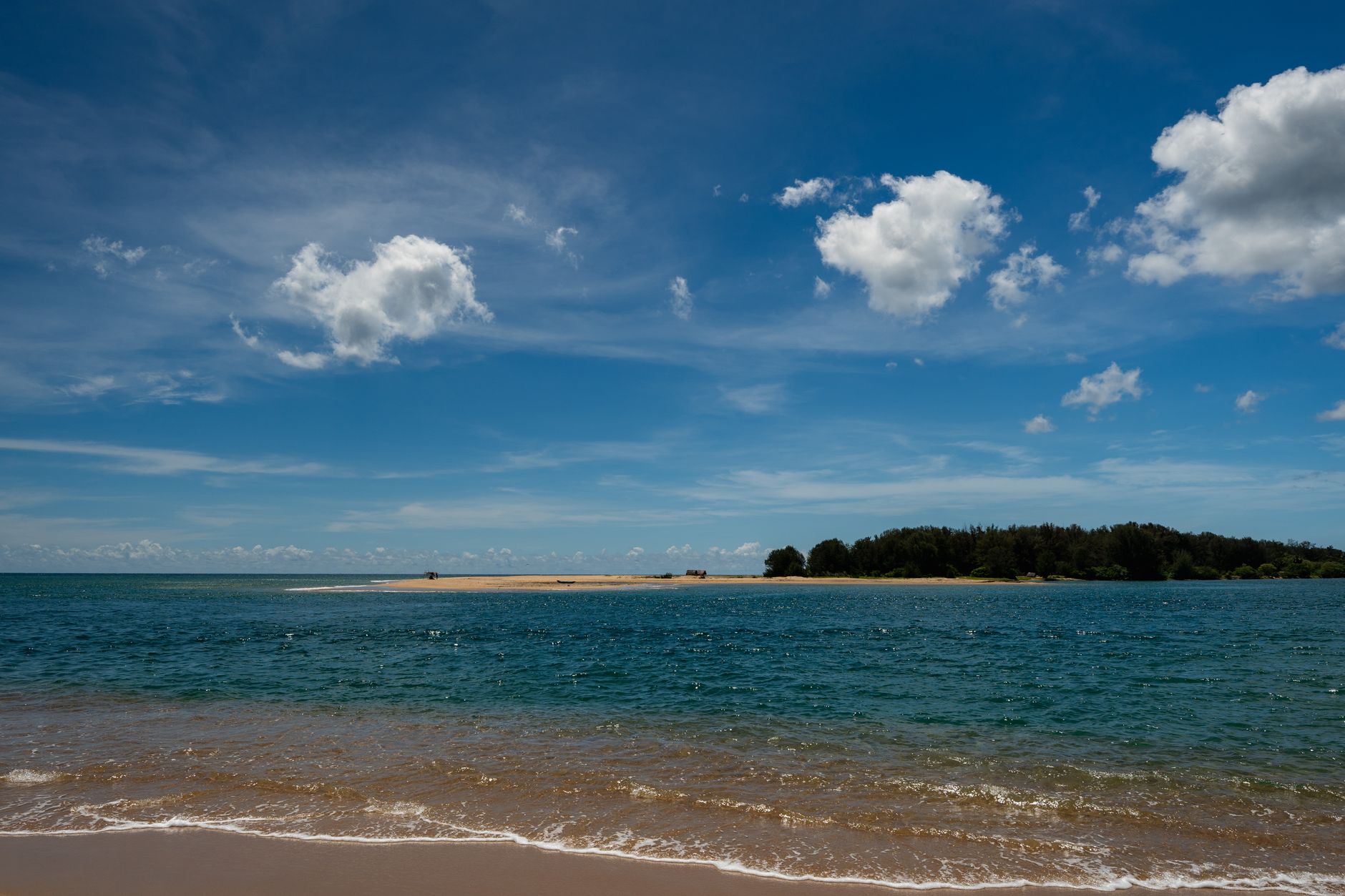
Four days in Kinniya is genuinely the right amount of time. The town itself is compact — you can cover the main hot springs and central sites in a day and a half — but the surrounding Koddiyar Bay area, the road north toward Trincomalee, and the quieter fishing villages reward the extra time. This itinerary doesn't pad the schedule; it fills it usefully.
Where exactly is Kinniya, and how do you get there?

Kinniya sits on the southern shore of Koddiyar Bay, roughly 14 km south of Trincomalee by road. Most visitors arrive by tuk-tuk or bus from Trincomalee's main bus stand — the journey takes 25–35 minutes depending on traffic near the causeway. If you're arriving from Colombo by train, disembark at Trincomalee station and connect onward from there. There is no direct train stop at Kinniya.
A hired tuk-tuk for the full four days makes more sense than relying on buses, particularly for the lagoon-side spots where schedules are unreliable.
Related: Nuwara Eliya in 2 Days: What to See and Where to Stay
See also: Colombo in 2 Days: What to See and Where to Stay
Related: Ambalantota in 2 Days: What to See and Where to Stay
When is the best time to visit Kinniya?
The northeast monsoon (October to January) brings heavy rain and rough seas to this coast. The optimal window is May through September, when skies are clear and the Koddiyar Bay is calm enough for boat trips. August, when you're reading this, is solid — hot but manageable if you start mornings early and rest between noon and 3 pm. Check the Trincomalee best time to visit page for the full seasonal breakdown, as Kinniya shares the same weather pattern.
Day 1: Arrival and the Hot Springs of Kanniya
Settle in, then head directly to the Kanniya Hot Springs — note the slightly different spelling; this is the correct name for the archaeological hot spring site just outside town. Seven separate wells of naturally heated water sit within a compact walled enclosure. The temperature in each well differs slightly; some visitors find this surprising. Bring a small towel and modest clothing, as the site is religiously significant to both Hindu and Buddhist communities.
Spend the afternoon walking the central market area near the Kinniya junction. The town has a predominantly Muslim population alongside Tamil communities, and the layered cultural presence is visible in the architecture — mosques with distinctive local detailing sit close to kovils. Don't rush this; it's more interesting on foot than it looks on a map.
Evening: eat at one of the small rice-and-curry spots near the main road. Fried rice, devilled prawns, and string hoppers are all commonly available. Budget-conscious travellers do well here — Kinniya is not a tourist-priced town.
Day 2: Koddiyar Bay, Fishing Harbour, and the Lagoon Edge
Start early (6:30 am is realistic) and go down to the fishing harbour on the bay side. The boats come in from overnight runs and the activity is genuine rather than staged. Bring a small amount of cash if you want to buy fresh fish to arrange cooked at your accommodation.
From the harbour, hire a local boat operator for a lagoon crossing or short bay tour. A one-hour circuit covering the mangrove edges of Koddiyar Bay is achievable. You won't see the scale of wildlife you'd find at Wilpattu or Yala, but the birdlife — egrets, kingfishers, occasional sea eagles — is consistent. Confirm the arrangement the night before and agree the price clearly.
Afternoon: return to your accommodation (see the accommodation note below), shower, and rest during peak heat. Late afternoon, walk south along the coastal road for 2–3 km. The views across the bay toward the hills are better from this stretch than from the town centre.
Day 3: Day Trip to Trincomalee
Kinniya's proximity to Trincomalee makes a full day trip straightforward and worth doing. Catch a tuk-tuk north by 8 am.
In Trincomalee, prioritise:
- Koneswaram Temple on Swami Rock — the clifftop setting is genuinely dramatic, and the drop to the sea below (Lover's Leap) is vertiginous in the best way
- Fort Frederick — the Dutch-then-British fortification is walkable and historically layered
- Uppuveli or Nilaveli beach (12–25 km north) if you want sand — both are significantly better beaches than anything immediately around Kinniya itself
Return to Kinniya by early evening. Three days of early starts will be catching up by now, so a quiet dinner and an early night makes sense.
Day 4: Slower Morning, Departure Preparation
Save day four for what you didn't get to. Realistically, that means:
- A second visit to Kanniya Hot Springs at dawn, when the site is quieter and cooler
- A longer walk through the residential streets east of the main road, where the domestic architecture is worth seeing
- Talking to a local boat owner about smaller channels around the bay if the day-two lagoon trip felt too brief
If you're heading back to Colombo by overnight train, you need to be at Trincomalee station by late afternoon for the 6–7 pm departure (check current timetables — schedules shift seasonally). A Kinniya-to-station tuk-tuk takes 35–40 minutes in afternoon traffic.
Where to stay in Kinniya?
Accommodation options in Kinniya proper are limited compared with Trincomalee town. If you want to base yourself in or very close to Kinniya, Calm and Relaxing Place is available as an option in the area. Given the small scale of the town, many visitors prefer to stay in Trincomalee and take day trips to Kinniya, which is also a reasonable approach — though you lose the early-morning harbour atmosphere that rewards an overnight stay.
How does Kinniya compare to staying in Trincomalee directly?
| Factor | Staying in Kinniya | Staying in Trincomalee |
|---|---|---|
| Hot springs access | 10-minute walk | 30-40 minute tuk-tuk |
| Beach quality | Limited | Uppuveli/Nilaveli nearby |
| Accommodation range | Very limited | Much wider |
| Authentic local feel | High | Moderate |
| Transport convenience | Requires planning | Easier |
If immersing in a quieter, genuinely local Sri Lankan coastal town matters to you, base yourself in Kinniya. If beach access and restaurant variety are priorities, stay in Trincomalee and visit Kinniya for a half-day or full day.
FAQ
Is Kinniya safe for independent travellers? Yes. The town is calm and the local population is welcoming. Standard common sense applies — don't leave valuables visible in tuk-tuks, dress modestly near religious sites. There are no particular safety concerns specific to Kinniya.
Do I need a guide for the Kanniya Hot Springs? No. The site is easy to find and self-explanatory. A caretaker is usually present. Modest dress (covered shoulders and knees) is expected.
Can I do Kinniya in less than 4 days? Two days covers the hot springs and a harbour morning comfortably. Three days adds the Trincomalee day trip. The fourth day is worthwhile if you're genuinely curious about the bay and want time to slow down — not if you're purely ticking sights.
What language do people speak in Kinniya? Tamil is the primary language. Arabic is used in religious contexts. English is understood by younger residents and those in any kind of service role. Sinhala is less commonly spoken here than in other parts of Sri Lanka.