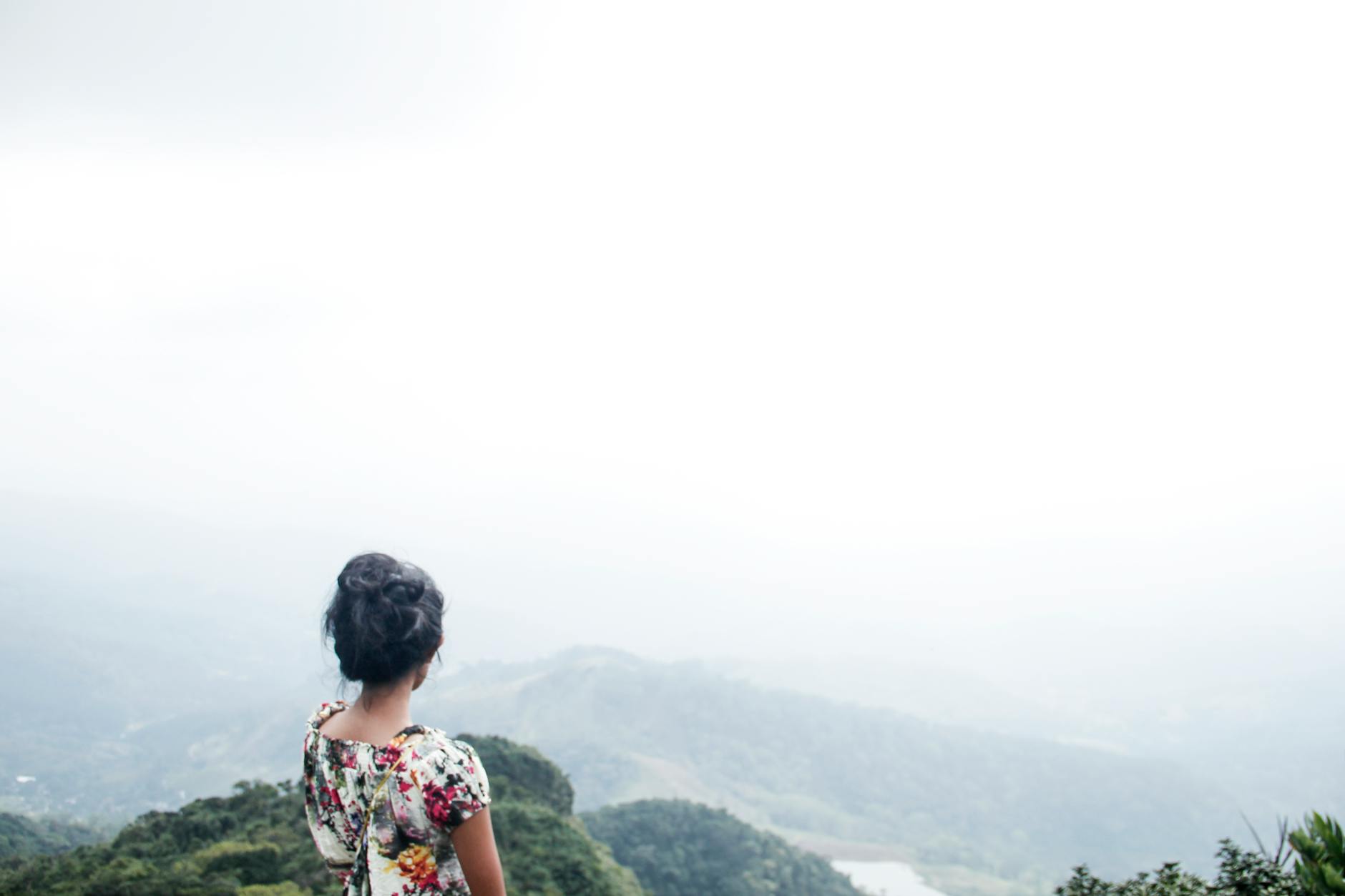
Matale is neither a resort destination nor a quiet village—it's a genuine hill-country town where locals outnumber tourists, spice traders conduct business, and Buddhist temples anchor the community. Your choice of accommodation shapes how deeply you experience this character. The town divides into a few distinct zones, each with different appeal depending on what you're after.
What kind of traveller is Matale for?

Matale works best if you're interested in cultural immersion, day trips to natural sites, or using the town as a base for exploring the central highlands. The town itself isn't particularly scenic from street level—it's busy, a bit chaotic, and genuinely lived-in. What makes it worthwhile is proximity to the Dambulla Cave Temple (thirty minutes), spice gardens, waterfalls in the surrounding hills, and access to trekking routes toward Knuckles. If you're seeking beachside calm or manicured garden stays, look elsewhere. If you want to see how Sri Lanka actually functions outside the tourist bubble, Matale repays that curiosity.
The Town Centre: Convenience with Bustle

The main commercial area around the Matale Clock Tower and bus station is where most services cluster—banks, markets, restaurants, pharmacies. Staying here makes practical sense if you're relying on public transport or want evening access to local eating spots. The tradeoff is noise: buses rumble through, three-wheelers beep, and the energy is distinctly commercial rather than restful. Room windows facing the main road won't be quiet after 6 a.m.
Related: Where to Stay in Marawila: Complete Area Guide
See also: Where to Stay in Kandy: Complete Area Guide
See also: Best Budget Guesthouses in Matale Under $50
Pearl's Homestay Matale sits in this proximity and operates at a genuinely local level—run by a family who know the town intimately and can point you toward authentic spice traders and lesser-visited temples. At 5 stars with a 9.8/10 rating, it's the highest-rated option in Matale and suits travellers prioritising genuine interaction over luxury. Expect clean, simple rooms and the kind of breakfast conversation where you learn how to navigate the town like an insider.
For those who want central location but a bit more structure, Lakegala Resort is a 2-star option with solid reviews (9.1/10) that offers reliable basics without pretension.
The Riverston Zone: Best for Tranquillity

About two kilometres south of town centre, toward the Matale River valley, the Riverston area represents Matale's quieter, greener side. Properties here enjoy more breathing room, often with views toward forested hills or the river itself. It's still close enough to reach town on foot (twenty to thirty minutes) or by three-wheeler (five minutes, about 300 rupees), but it feels removed from the noise.
This zone hosts several mid-range and premium options. CRYSTAL RIVERSTON DECK (5 stars, 8.9/10) offers a more contemporary approach with a good balance of comfort and local charm. The Riverston Grand (5 stars, perfect 10.0/10 rating from three reviews) appeals if you want something closer to boutique standards. Be aware that Riverston inn exists as well with a lower rating (2.7/10), so compare carefully if that name appears in your search results.
Riverston Hideaway (4 stars, 7.2/10) is worth considering for budget-conscious travellers wanting the Riverston zone's quieter setting. Jay's Place & Garden Cafe (5 stars, 8.8/10) leans into the garden-stay concept, useful if you're after a small, intimate property with character rather than resort facilities.
The Highland Fringe: Views and Walking Access
Properties positioned on Matale's northern and eastern edges, toward the Knuckles foothills, offer the best views and closest access to walking routes. These feel genuinely removed from town, though still within reach by transport or determined walking.
Knuckles View Hotel (3 stars, 7.9/10) delivers exactly what its name promises—positioning for Knuckles visibility and higher-altitude air. Lavendish Wild Safari (4 stars, 7.9/10) sits in this zone and appeals to guests combining Matale with wildlife interest (day trips to Minneriya or Kaudulla are feasible, though best arranged with tour operators). The Grand Mountain Hotel (5 stars, 7.5/10) positions itself as a mid-range mountain retreat.
Paradise Forest Garden (3 stars, perfect 10.0/10 rating though from just one review) takes the garden-immersion concept furthest, likely best for couples or solo travellers comfortable with quieter, more intimate accommodation.
Practical Considerations for Your Choice
Transport and movement. Matale is walkable in the town centre but steep in places. If you're not comfortable with three-wheeler negotiation or prefer having your own vehicle, staying near the clock tower or booking with a property that arranges transport matters. Most homestays and smaller hotels will arrange pickups for agreed rates.
Food and dining. The town centre has the widest restaurant choice, from proper rice-and-curry spots to casual tourist cafes. Riverston zone properties are quieter for eating in, though some have decent restaurants. Ask your accommodation about nearby options—many properties prepare home-cooked meals if you ask in advance.
Visiting spice gardens. These cluster around Matale's outskirts and are easily reached by three-wheeler (thirty minutes, roughly 800–1200 rupees for a round trip with waiting time). Your accommodation can arrange transport or direct you to reliable drivers.
Weather and seasons. Matale sits in a relatively dry zone compared to western Sri Lanka, but the monsoon patterns still matter—May to September sees more rain. October to March is most reliable. Afternoon cloud cover is common even in dry season, so expect atmospheric but not always sunny days.
Rating and Quality Note
Several properties here have very small review samples (one to three reviews), which reflects Matale's position as a working town rather than a major tourist hub. Higher ratings don't always mean objectively better—they often mean the property matched the expectations of its few guests. Pearl's Homestay Matale and The Riverston Grand stand out for having both strong ratings and slightly larger sample sizes, suggesting more consistent experience.
If you're torn between multiple options, the decision often comes down to whether you prefer being in the town's social centre (Pearl's Homestay Matale) or its quieter fringe (Riverston zone or highland properties). Both approaches work; it depends on your travel temperament.
Nearby Areas Worth Considering
If Matale town itself feels less appealing once you've researched it, Dambulla is thirty minutes away and offers a different character—smaller, quieter, closer to the cave temples. Kandy is an hour north and much larger, with more tourist infrastructure. Nalanda Gedige and Rangiri Dambulla are better visited as day trips from Matale rather than as overnight bases.
FAQ
Is Matale safe for solo travellers? Yes. It's a busy local town with good police presence and regular foot traffic. Standard urban awareness applies—avoid walking alone very late, keep valuables secure—but it's far safer than many city centres worldwide. Women solo travellers report feeling secure, though some prefer staying in family-run properties like Pearl's Homestay Matale where connections to locals build quickly.
What's the best time to visit Matale? October to March offers the most reliable weather, though Matale is relatively dry year-round compared to the western coast. May to September sees afternoon rain but fewer tourists and more affordable rates. The town itself doesn't have seasonal attractions, so your visit depends more on what you plan to do from Matale rather than what's in town.
Can I visit spice gardens independently or do I need a tour? You can reach most spice gardens by three-wheeler and wander freely, though having a guide adds context and prevents overpaying. Ask your accommodation to recommend a reliable driver or contact a guide—they typically charge 2,000–3,500 rupees for a few hours and speak English.
How long should I stay in Matale? One or two nights works well if Matale is a stop between destinations. Three nights allows time for a day trip (Dambulla, spice gardens, waterfalls) plus town exploration. More than four nights suits people doing multi-day treks or deeply exploring the region—not the town itself.