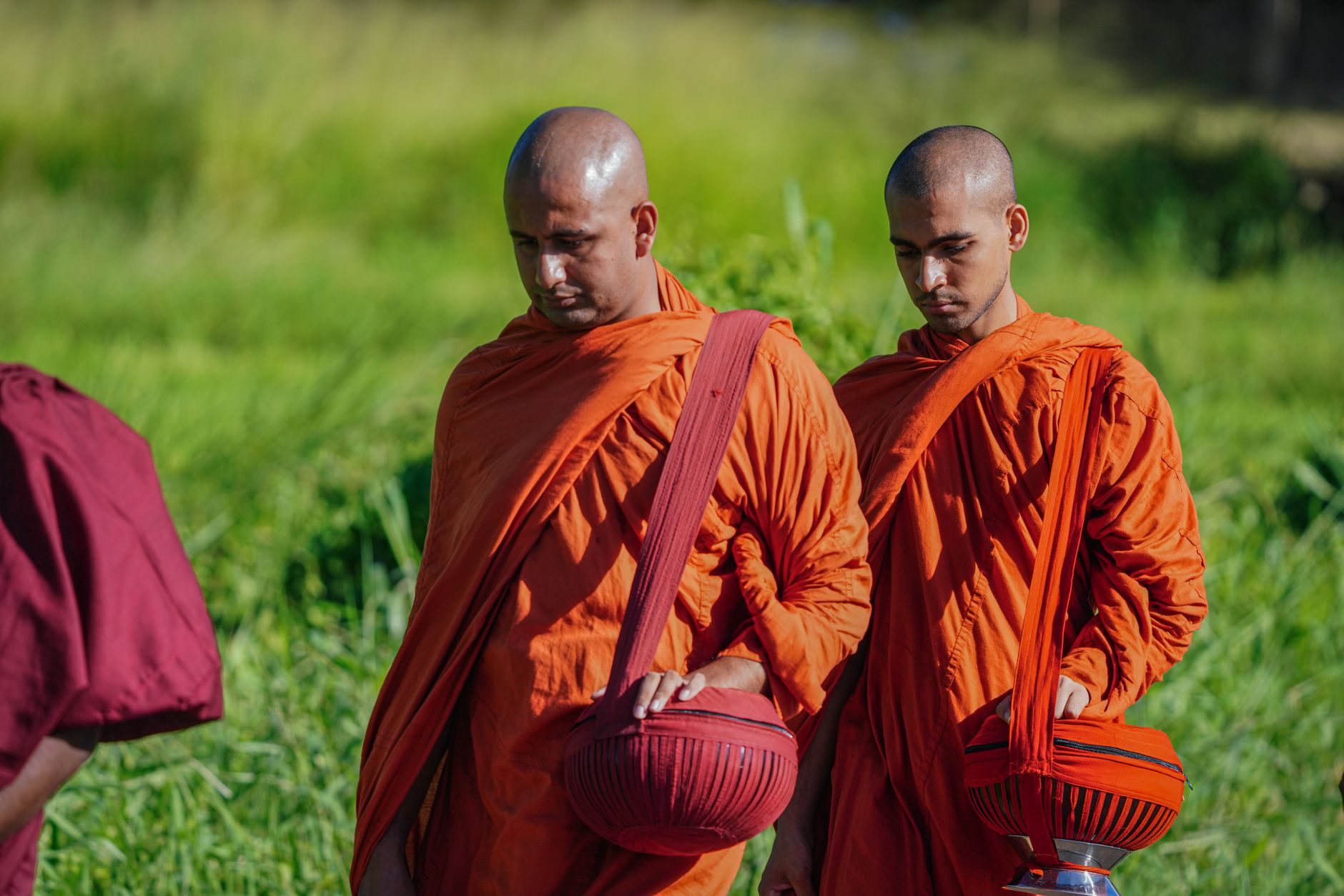
Four days in Anuradhapura gives you just enough time to move through the sacred city at a pace that respects both its scale and its spiritual weight. You'll cover the major dagobas, the Bodhi tree, the ancient tanks, and still have an afternoon or two to wander without purpose — which, in Anuradhapura, is rarely time wasted.
Anuradhapura is the oldest continuously inhabited city in Sri Lanka and one of the oldest in the world, serving as the island's first great capital for well over a millennium. The site is vast — far larger than most first-time visitors expect — and the combination of active Buddhist pilgrimage sites alongside archaeological ruins means the atmosphere here shifts depending on the hour, the crowd, and the day of the week. Planning matters.
For more on timing your visit, the Anuradhapura best time to visit guide covers seasonal considerations in detail. The broader Anuradhapura city page is also worth reading before you arrive.
Related: Dambulla in 2 Days: What to See and Where to Stay
See also: Colombo in 2 Days: What to See and Where to Stay
See also: Tissamaharama in 4 Days: The Complete Itinerary
How should you structure your four days?
The most sensible approach is to split the sacred city into geographic zones and tackle each across two focused mornings, use your afternoons more loosely, and save one full day for the surrounding areas — particularly Mihintale, which deserves its own dedicated visit. The fourth day works well as a buffer for anything you missed or wanted to revisit, with an optional half-day excursion toward Wilpattu.
Day 1: Arrival and the Sacred Precinct (East Zone)
Arrive in Anuradhapura before noon if you can. Most visitors arrive by train from Colombo — the journey takes roughly four hours and drops you at the new town station, from where you'll need a tuk-tuk to reach your accommodation.
Spend the afternoon gently. The area around Sri Maha Bodhi — the sacred fig tree grown from a cutting of the very tree under which the Buddha attained enlightenment — is never truly quiet, but late afternoon brings a particular rhythm of monks, pilgrims, and the soft sound of temple bells. Remove your shoes before entering, dress modestly (shoulders and knees covered), and don't turn your back to the tree for photographs. This is one of the most genuinely sacred places in the Buddhist world, and it reads as such.
After that, walk north to the Brazen Palace (Lovamahapaya), the remnants of a nine-storey monastery that once stood here. The 1,600 stone pillars that remain are striking in the late-day light.
For your first evening, the area around Main Street in the new town has a handful of reliable rice-and-curry spots serving working lunches through to dinner — simple, good, and inexpensive.
Where to stay: The Ivy Lake is the most consistently well-reviewed 4-star option in Anuradhapura, rated 8.9/10 from 107 reviews, and its lakeside setting earns it. Gamodh Citadel Resort offers strong value at 3 stars with an 8.5/10 rating. If you prefer something with colonial character and proximity to the sacred zone, The Sanctuary at Tissawewa-Colonial Hotel sits closest to the archaeological park.
Day 2: The Great Dagobas and the Museum
Start before 7am. The sacred city in the early morning — light coming sideways through the trees, monks walking the paths, almost no other tourists — is worth losing an hour of sleep for. Hire a bicycle from your guesthouse or one of the shops near the old town; cycling is far and away the best way to move between the dagobas.
Ruwanwelisaya is the place to begin. One of the largest stupas in the ancient world, it was built by King Dutugamunu in the 2nd century BC and remains a major pilgrimage site. The white-washed dome, surrounded by a frieze of carved elephants, is most atmospheric in the soft morning hours.
From there, cycle north to Thuparama Dagoba — the oldest in Sri Lanka — then continue to the enormous Jetavanaramaya, once the tallest structure in the ancient world. Its rusted-brick mass gives it a different character from the plastered stupas, more weathered and somehow more ancient in feel.
Spend part of the afternoon at the Anuradhapura Archaeological Museum in the old town. The collection is not exhaustive, but the moonstone carvings and the scale models of the original city help orient everything you've been seeing.
Day 3: Mihintale
Mihintale, 13 kilometres east of Anuradhapura, is where Buddhism arrived in Sri Lanka in 247 BC when the monk Mahinda met King Devanampiya Tissa on this rocky hill. It deserves a full day rather than a rushed morning excursion.
Take a tuk-tuk early — by 6am if possible — and climb the 1,840 steps to the summit before the heat builds. The staircase ascends through woodland, past shrines and resting pilgrims, to a series of dagobas at the top with views across the flat, tank-dotted plain below. The Mahinda's Bed stone inscription, the Kantaka Cetiya, and the refectory ruins give Mihintale a depth that rewards slow exploration.
Return to Anuradhapura by mid-afternoon and cycle out to one of the ancient tanks — Nuwara Wewa or Basawakkulama — for the late afternoon. The bund paths along the tank edges are peaceful and the birdlife is excellent.
Day 4: Isurumuniya, the Western Monasteries, and Wilpattu
Isurumuniya Temple, carved from a rock outcrop beside a tank, is one of the most overlooked sites in Anuradhapura — smaller and more intimate than the great dagobas, with a famous carved panel of lovers that has drawn art historians for generations. Early morning is ideal.
The Western Monasteries (Atamasthana area) are worth a slow loop by bicycle — austere ruins of forest monasteries where monks lived in deliberate simplicity, their toilets carved with scenes of indulgence as a reminder of what they'd renounced.
If you have wildlife interests, an afternoon drive into Wilpattu National Park is possible from Anuradhapura. Big Game - Wilpattu by Eco Team, rated 8.6/10, is the most highly reviewed property on that edge of the park and a sensible base if you want to extend your stay into the leopard territory of the north-west.
Which hotel is right for your style?
For budget travellers who value guest ratings above star categories: Montana Rest Apartments at 8.8/10 and Lievis Tourist Homestay - Anuradhapura at 8.7/10 both outperform much pricier options on guest satisfaction. Liyana Holiday Resort at 8.2/10 is another solid budget pick.
For mid-range comfort: Rajarata Hotel and Hotel Alakamanda both sit at 7.9/10 and represent reliable 4-star and 3-star options respectively. Milano Tourist Rest Hotel at 7.7/10 is centrally located and practical.
For a more atmospheric stay with heritage character, The Sanctuary at Tissawewa-Colonial Hotel and Miridiya Lake Resort offer distinctive settings. The Heritage Hotel at 7.1/10 is the lowest-rated 4-star on this list and worth comparing carefully before booking.
FAQ
Do you need a guide for the Anuradhapura sacred city? Not strictly — the site is well signposted and the UNESCO-listed zones have decent information boards. A half-day guide for your first morning can be genuinely useful for historical context, but four days gives you enough time to absorb the site independently.
Is cycling safe and practical around Anuradhapura? Yes, and it's the recommended way to see the archaeological park. The roads within the sacred zone are flat, shaded, and relatively low-traffic. Most guesthouses rent bicycles cheaply; the distance between major sites is manageable even in moderate heat if you start early.
Can you visit Anuradhapura and Polonnaruwa on the same trip? Absolutely — they're around 100 kilometres apart and many travellers combine them. Read the Polonnaruwa city page to plan the connection, which works well by bus or hired vehicle.
What should you wear at the Anuradhapura sacred sites? Both shoulders and knees must be covered at all pilgrimage sites, including Sri Maha Bodhi and the active temples. Shoes must be removed at all sacred sites — lightweight slip-ons make this easier. White clothing is common among pilgrims on poya (full moon) days, when the sites are significantly busier than usual.