Dompe sits roughly 30 km northeast of Colombo in the Gampaha District, making it one of the most accessible rural escapes from the capital. In two full days you can cover the Seethawaka Wet Zone Botanic Gardens, riverside walking, local temples, and still eat well — without a hire car if you plan the connections carefully.
Is Two Days Actually Enough in Dompe?

Yes, comfortably. Dompe is a compact area and the primary attractions cluster around the Kelani River corridor and the botanic gardens at Seethawaka. Two days lets you move at a sensible pace without rushing. If you arrive the evening before your first full day, even better — you'll lose no morning time to travel.
That said, this is not Ella or Kandy. There is no single headline attraction that draws crowds. What Dompe offers is low-key nature, wetland birdwatching, and a genuine sense of the Sri Lankan lowland countryside that tourists rarely see. Set your expectations accordingly and you'll leave satisfied.
Related: Matale in 2 Days: What to See and Where to Stay
See also: Colombo in 2 Days: What to See and Where to Stay
See also: Negombo in 4 Days: The Complete Itinerary
Day One: Seethawaka and the River

Morning — Seethawaka Wet Zone Botanic Gardens
Arrive at the Seethawaka Wet Zone Botanic Gardens before 8 am if possible. The gardens cover around 100 hectares of lowland wet-zone vegetation and are considerably less visited than Peradeniya near Kandy, which is a genuine advantage. Paths are mostly flat, so fitness is not a barrier, but bring waterproof sandals or shoes — the ground stays damp year-round in this climate zone.
Allow two to two-and-a-half hours to walk the main circuits. The orchid and palm collections are the highlights. A local guide hired at the gate adds real value here if you're interested in medicinal plants, which are labelled but not well explained on the signs.
Afternoon — Kelani River Walk and Village Exploration
After lunch, head toward the Kelani River bank accessible from the Dompe town area. The riverside paths are informal rather than maintained trails — expect to navigate by feel. A 4–6 km flat walk through rubber and cinnamon smallholdings is manageable for most fitness levels and gives you a view of traditional lowland agriculture that's disappeared from areas closer to Colombo.
If birdwatching is a priority, the wetland margins near here reward patience. Purple-faced langurs are also regularly spotted in riverside tree cover.
Evening
Return to your hotel by late afternoon. The small town of Dompe itself has local restaurants serving rice and curry; don't expect tourist menus. This is a good thing.
Day Two: Temples, Local Markets, and the Return Route

Morning — Local Temples
Dompe and the immediately surrounding villages have several Buddhist temples worth visiting, including older structures with traditional Kandyan-period architectural details despite being in the low country. Check locally for the specific temple nearest your accommodation — your hotel staff will know. Dress appropriately (shoulders and knees covered) and arrive before 9 am when temple activity is quietest.
Mid-morning — Dompe Town Market
The small market area near Dompe town is busiest on weekend mornings. It's a practical local market, not a tourist market — fresh produce, spices, and household goods. Worth an hour of wandering, and a good opportunity to pick up cinnamon directly from growers at prices that reflect the source rather than the export margin.
Afternoon — Flexible Departure or Nearby Extension
If you're continuing onward into Sri Lanka rather than returning to Colombo, the route toward Kandy via Kegalle runs through attractive hill-fringe terrain. Alternatively, the drive or bus back toward Colombo takes well under an hour by car and around 90 minutes by bus, giving you a comfortable late-afternoon return.
Where to Stay in Dompe: Honest Recommendations
The hotel options in Dompe proper are limited and range considerably in quality. Here's a straightforward breakdown based on available ratings and review volumes.
Best overall value with confidence: The Covanro Hotel rates 4 stars with a solid 8.0/10 from 66 reviews — the largest review sample of any property in this area by a significant margin. That volume of feedback makes the rating genuinely reliable. It's the default recommendation for most travellers.
Best-rated by guests (small sample): Seethawaka Regency Hotel holds an 8.4/10, the highest score in the area, though from only 15 reviews. It lists as 1 star officially, which likely reflects the Sri Lanka rating classification rather than actual comfort. Worth considering if the Covanro is full.
Mid-range with decent feedback: Comilla Bungalow carries a 3-star rating and an 8.2/10 from 13 reviews. A bungalow-style property typically suits travellers who prefer a quieter, more residential feel over a standard hotel layout.
Budget option: Wet Water Resort at 3 stars has a 7.1/10 from 31 reviews — acceptable scores but the rating suggests it delivers reliably rather than impressively. Functional for the price bracket.
Avoid if you value consistency: OYO 299 Randula Grand Venus Hotel scores 4.4/10 from 2 reviews. Too few reviews to be certain, but a sub-5.0 average is a meaningful warning sign.
Properties like Linrose Hotel and Mango Roots both score 10.0/10 but from a single review each — statistically meaningless for decision-making, however appealing those scores look.
Getting to Dompe
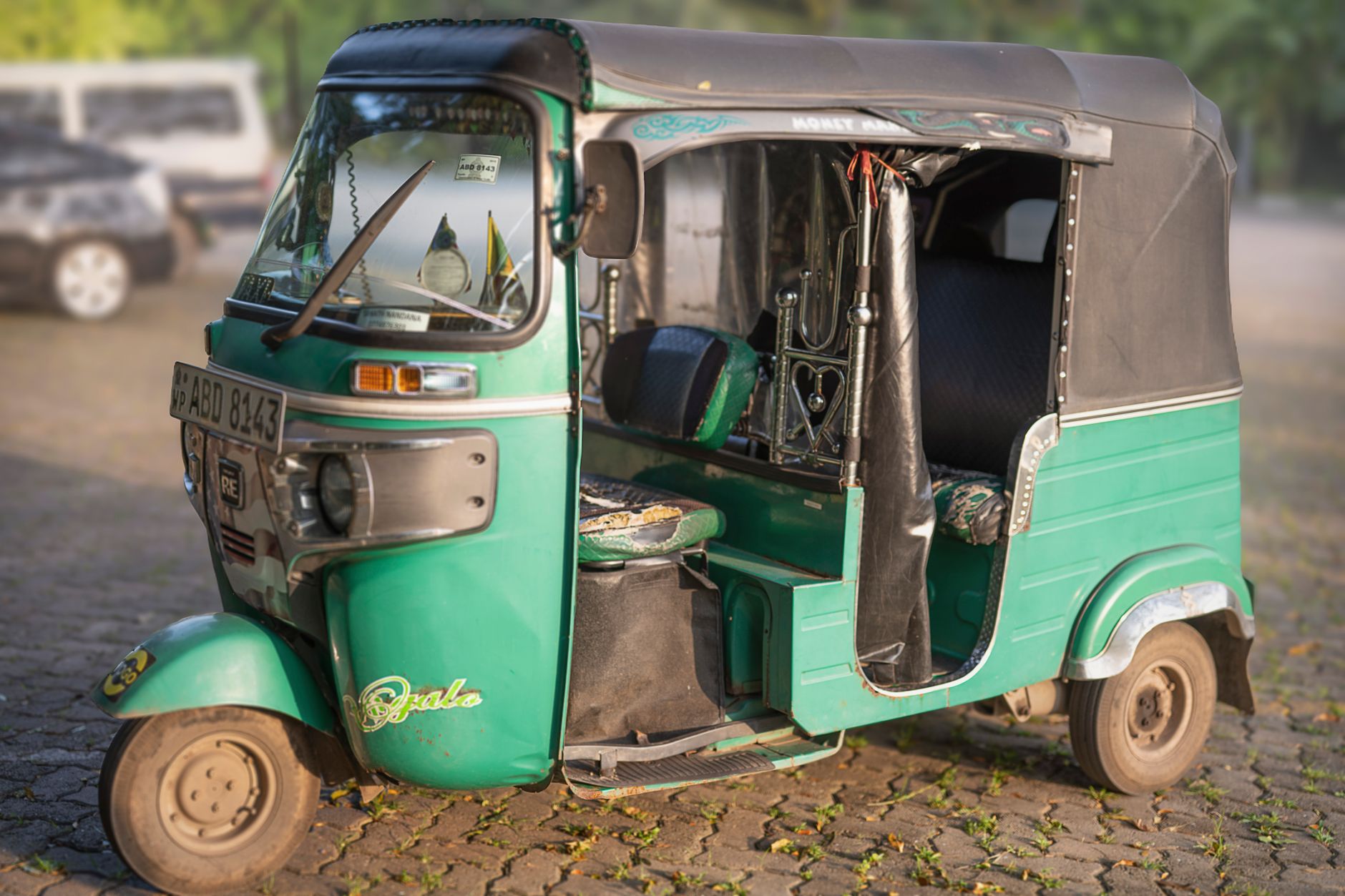
From Colombo, Dompe is accessible by bus (routes via Nittambuwa) or by car along the A1 and then northward. Journey time by car is 45–75 minutes depending on Colombo traffic; leave before 7 am or after 9 am if driving yourself. Tuk-tuks are available locally once you arrive but are not always reliable for longer cross-town transfers — arrange through your hotel in advance.
For context on how Dompe fits into a broader Sri Lanka route, the Western Province towns of Kelaniya and Negombo are accessible as day trips in either direction.
Practical Notes
- Best time to visit: The area receives heavy rainfall during the southwest monsoon (May–September). For a drier two-day visit, aim for December through March. See general guidance on Sri Lanka's best time to visit for the full picture.
- What to pack: Light, breathable clothing; waterproof layer even in dry season; closed-toe shoes or waterproof sandals for the botanic gardens.
- Budget: Dompe is significantly cheaper than tourist-circuit towns. Meals at local restaurants are modest; hotel costs reflect the limited infrastructure rather than demand pricing.
FAQ
Is Dompe worth visiting if I only have one day? Yes, but focus entirely on the Seethawaka Botanic Gardens and the riverside area. Skip the market day unless it happens to coincide. One day is thin; two is the realistic minimum for feeling unhurried.
Can I visit Dompe as a day trip from Colombo? Technically yes — the distance makes it feasible. But the round trip plus the site visits leave you pressed for time. An overnight stay genuinely improves the experience and removes the Colombo traffic stress on both legs.
Is Dompe suitable for families with young children? The botanic gardens and flat river walks are suitable. There are no theme parks, adventure activities, or child-specific facilities, so it works best for families comfortable with nature-oriented, low-stimulation travel.
Do I need a guide for the botanic gardens? Not strictly, but a local guide adds considerable depth especially for the medicinal plant areas. Guides are available at the gate; agree on a fee before starting. A 2-hour guided walk is reasonable at current local rates.