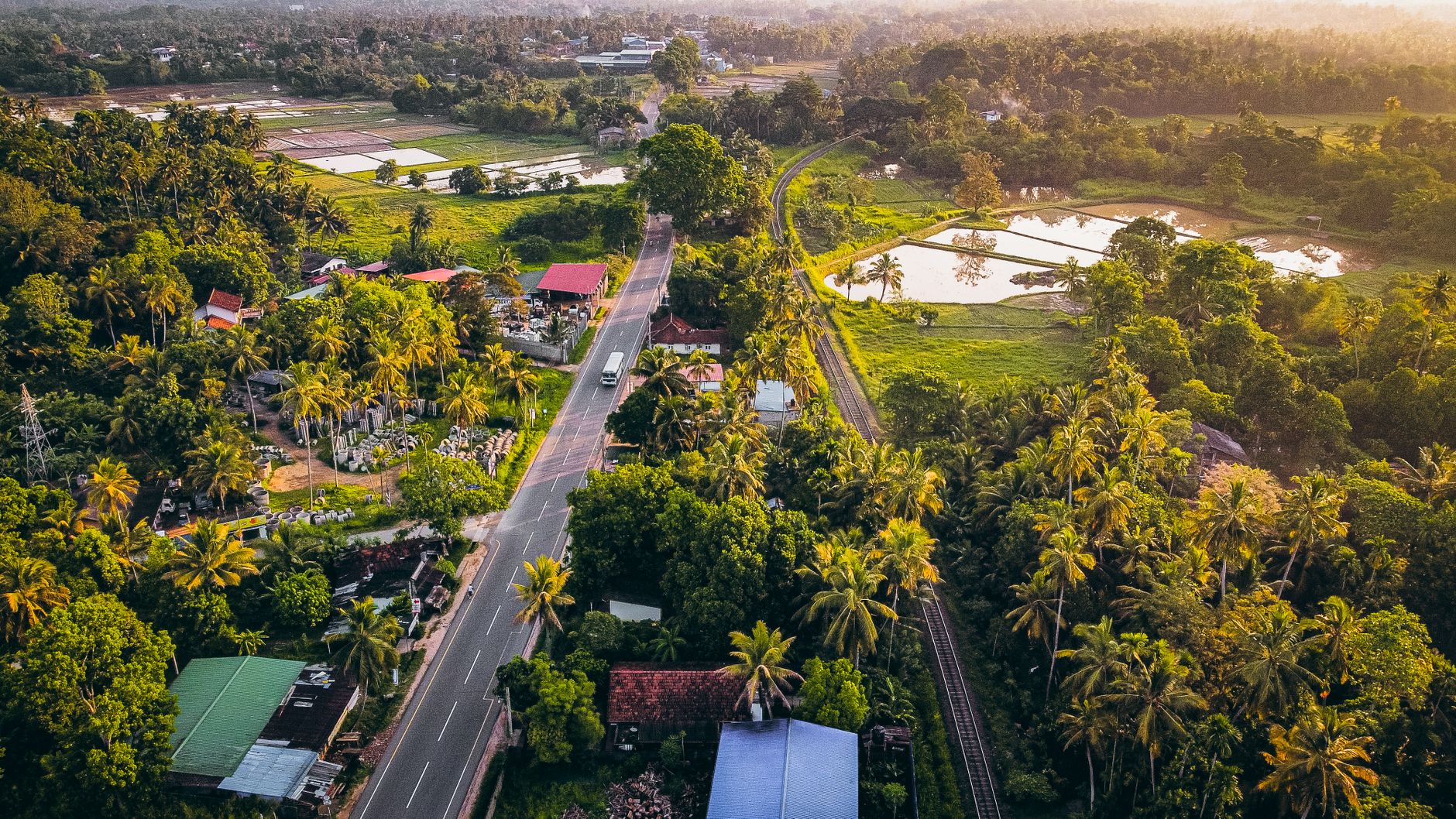
Two days in Kotapola is a realistic and satisfying visit, provided you arrive with the right expectations. This small town sits on the southern edge of Sinharaja Forest Reserve — Sri Lanka's last viable lowland rainforest and a UNESCO World Heritage Site. You won't see everything, but you'll cover the essential trails and come away with a genuine sense of what makes this corner of the wet zone so ecologically distinct.
What is Kotapola, and why does it matter as a base?

Kotapola is a small settlement in the Matara District, roughly 35 km north of Matara town and about 15 km south of Deniyaya. It functions primarily as a southern gateway to Sinharaja, meaning the trailheads are close — some within 2–3 km of the main road — and the accommodation options here lean heavily towards birding lodges and eco-stays rather than resort-style properties. If you're coming from Galle or the southern coast, the drive via Akuressa takes around 2–2.5 hours on a good day. From Ella, allow 3.5 hours minimum.
Note that Sinharaja itself requires entry permits and a compulsory guide hired at the forest department post. Guides typically charge a fixed rate per group; confirm the current fee at the post on arrival. Rangers do check.
Related: Matale in 2 Days: What to See and Where to Stay
See also: Colombo in 2 Days: What to See and Where to Stay
See also: Tangalle in 4 Days: The Complete Itinerary
Day 1: Morning trail in Sinharaja, afternoon birding

Morning (6:00–11:00): Get to the Kudawa or Pitadeniya entrance — the Pitadeniya route via Kotapola is more accessible from the southern side — before 7:00 if at all possible. Mixed-species bird flocks move through the forest in the first two hours of daylight and the light is far better for photography. A standard trail to the Sinharaja forest interior takes 3–4 hours return at a moderate pace. Expect some steep, slippery sections after rain; proper trail shoes with grip are non-negotiable. The forest floor stays wet essentially year-round on the southern side.
Look for: Sri Lanka blue magpie, red-faced malkoha, green-billed coucal, Malabar pied hornbill, and — if you're lucky — the Sri Lanka crested dragonfly along stream sections.
Afternoon (13:00–17:00): Return to your lodge, eat, and rest during the hottest part of the day. By 15:30 the activity picks up again. Ask your guide or lodge host about the nearest stream trail for a second, shorter walk — often 1–2 km from accommodation — where you can find purple-faced langurs, water monitor lizards, and additional forest birds without re-entering the reserve formally.
Evening: Most lodges in this area are remote enough that you'll eat where you sleep. Confirm meals in advance — this is not a town with independent restaurants on every corner.
Day 2: Deeper trail or alternative natural sites, then departure

Morning (6:00–10:00): Repeat the early start. If you want to push further into the interior than Day 1, discuss this with your guide the previous evening so logistics are arranged. Alternatively, the Beverley Estate waterfall (accessible from the Deniyaya side, about 12 km from Kotapola) makes a worthwhile morning excursion if you have transport — a 3-star cascade in a tea-estate setting that requires about 45 minutes of walking each way on clear paths.
Late morning: Visit the Sinharaja Visitor Centre near the Kudawa entrance if you haven't already. It's modest, but the interpretive panels give useful context on endemic species and forest zones.
Afternoon: Depart. If you're heading towards Mirissa or the southern coast, you're 2–2.5 hours away. If heading north towards Ratnapura or the hill country, allow similar time.
Where to stay: honest comparison of the options
Accommodation in Kotapola and the immediately surrounding area ranges from basic guesthouses to a handful of lodges positioning themselves above their actual infrastructure. Here's a realistic breakdown:
Top-rated by guest score:
Rainforest Nest (3-star, 9.9/10 from 5 reviews) and Sinharaja Vini Villa (4-star, 9.9/10 from 5 reviews) both carry the highest scores, though the small review counts mean a single bad stay would shift those numbers significantly. Both are worth considering if availability allows.
Saru Blue Sapphire Hotel claims 5-star classification and holds a 9.7/10 from 6 reviews — the most consistent top-end option in the cluster, albeit with limited reviews.
Best value for money (reliable mid-range):
Sinharaja Forest Edge Guest House (2-star, 8.5/10 from 23 reviews) has the largest review sample among the highest-rated properties — that's meaningful. Honest guesthouse character, positioned close to forest access.
Sinharaja Rest (3-star, 8.5/10 from 21 reviews) is similarly reliable with a reasonable review base. Good choice if you want slightly more comfort without overpaying.
Blue Magpie Lodge (1-star, 8.2/10 from 24 reviews) has the highest review count of any property on this list, which counts for a lot in a low-traffic area. Don't be put off by the 1-star classification — that reflects facilities, not hospitality.
Avoid if possible:
The Rainforest Ecolodge has a 6.6/10 from 24 reviews — the most reviews of any 4-star property here, and those numbers suggest consistent disappointment relative to expectations. 360 Rainforest scores 6.2/10 from 11 reviews, which is concerning given the small sample.
Other solid options worth checking:
Eco Villa - Sinharaja (8.5/10), lavenro hotel & resort (8.5/10), and Deniyaya National Motel (7.8/10, useful if you're basing yourself in Deniyaya rather than Kotapola itself) round out the field. Rainforest Lodge Deniyaya Singheraja (7.7/10 from 16 reviews) is a reasonable fallback.
What to pack for two days here
- Waterproof trail shoes (not sandals, not fashion trainers)
- Rain jacket — the southern wet zone receives rain most months
- Long-sleeved shirt and trousers for trail sections (leeches are present, especially May–September)
- Insect repellent with DEET
- Binoculars if birding is a priority — 8×42 is the practical standard
- Cash — there are no ATMs in Kotapola itself; withdraw in Deniyaya or before leaving the main highway
For more context on timing your visit to this region, see the best time to visit Ella guide, which covers the broader hill country and wet zone weather patterns in useful detail.
FAQ
Do I need to book a guide in advance for Sinharaja? No — guides are assigned at the forest department post on arrival. However, it is worth arriving early (before 7:00) to avoid waiting during peak season. Your lodge can sometimes arrange a guide if you prefer to confirm in advance.
Is two days enough to see Sinharaja properly? For a genuine introduction — yes. You'll cover the main southern trails, see endemic birds, and experience the forest character. For serious research or a comprehensive species list, plan 3–4 days.
Is Kotapola suitable for children or older travellers? The trails inside Sinharaja involve uneven, often slippery terrain and are not suitable for very young children or anyone with significant mobility limitations. The gentle stream walks near lodges are accessible to most reasonably fit adults.
Can I visit Kotapola as a day trip from Galle or Mirissa? Technically yes — the drive is around 2 hours each way — but it defeats the purpose. The best birding and wildlife activity happens at dawn, which means staying overnight is strongly recommended.